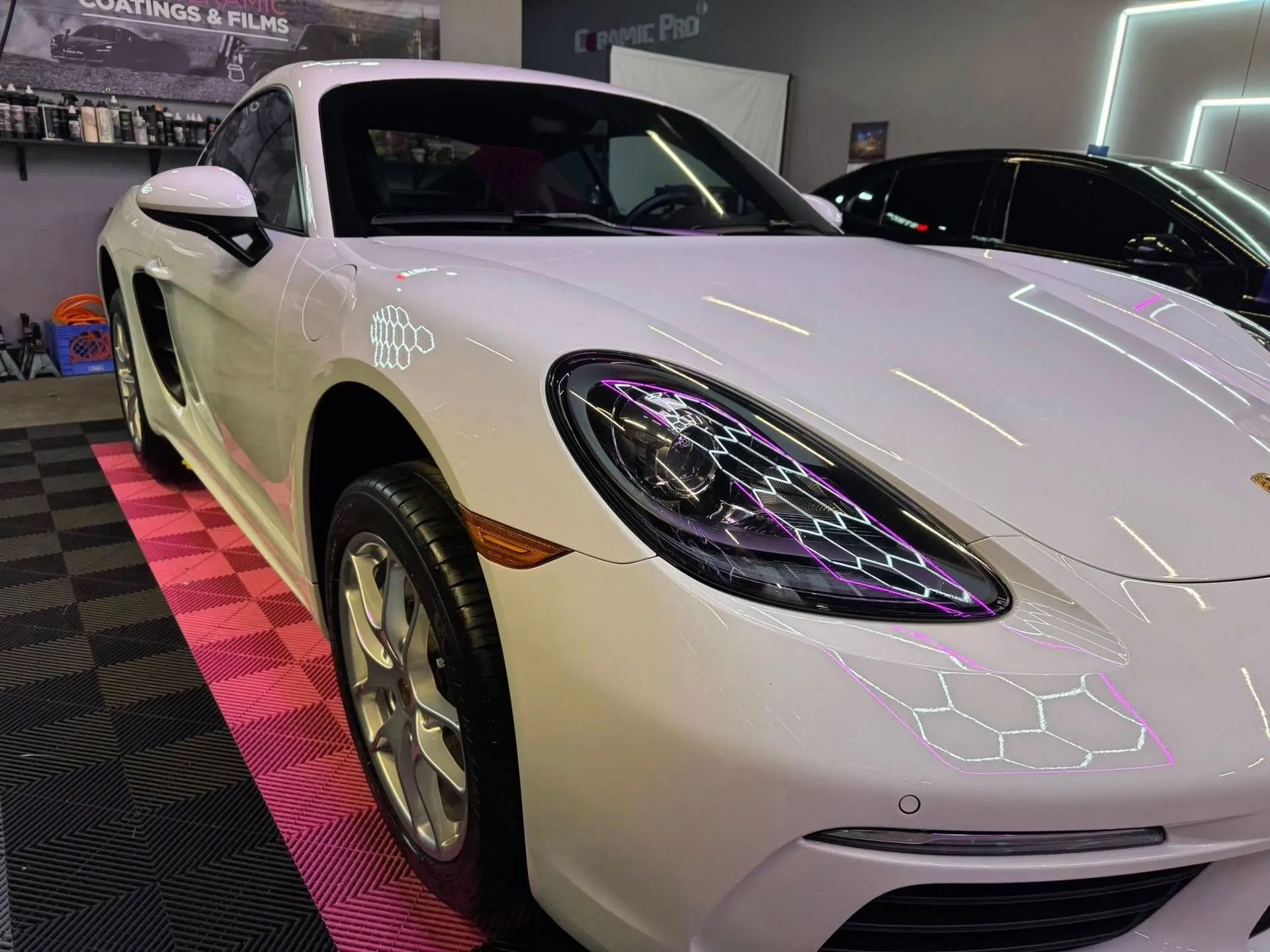
What is Paint Protection Film and Why Every Car Owner Should Consider It
March 31, 2026
Protecting a vehicle’s exterior goes beyond routine washing and waxing. Modern vehicles represent a significant investment, and maintaining their appearance directly influences resale value, aesthetics, and long-term satisfaction. While conventional methods like wax and sealants provide a temporary shield against dirt and minor scratches, they cannot fully defend against everyday hazards such as road debris, stone chips, harsh weather conditions, and environmental contaminants. Paint Protection Film (PPF) emerges as a cutting-edge solution that offers an advanced layer of defense, preserving both the look and integrity of a vehicle for years. This invisible barrier combines durability with flexibility, enabling cars to withstand impacts that would otherwise damage the paint and compromise the exterior’s appeal.
Understanding the relevance of PPF in today’s automotive industry is critical for car owners, collectors, and enthusiasts alike. Vehicles are not only functional assets but also expressions of personal style and investment value. PPF ensures long-term protection without sacrificing the vehicle’s aesthetic charm. By exploring its properties, benefits, applications, and best practices, car owners can make informed decisions about safeguarding their vehicles. In this blog, we delve into everything a vehicle owner needs to know about Paint Protection Film and why it is becoming a standard consideration for preserving automotive beauty and value.
What is Paint Protection Film?
Definition and Composition
Paint Protection Film, commonly referred to as PPF, is a transparent, durable polyurethane film applied to a vehicle’s exterior surfaces. It acts as a barrier that absorbs the impact from small stones, debris, and minor abrasions, preventing damage to the original paint underneath. The film is typically made from a combination of high-quality polyurethane layers, which provide flexibility, clarity, and strength. Modern formulations often include self-healing properties, enabling minor scratches or swirl marks to disappear naturally with heat from the sun or engine.
History and Evolution
PPF was initially developed for military and aerospace applications, where protection from debris and harsh environmental conditions was essential. Automotive adoption began in the 1980s, primarily for high-end sports cars and luxury vehicles. Over the decades, technological advancements have enhanced the clarity, durability, and ease of installation, making it accessible for everyday vehicles. Today, PPF comes in a variety of finishes, including glossy, matte, and satin, allowing car owners to choose protection without compromising style.
Types of PPF
- Clear Film: Offers full visibility of the vehicle’s paint while providing maximum protection against scratches and chips.
- Textured or Matte Film: Designed for vehicles with matte paint finishes, preserving the aesthetic without altering the original look.
- Colored or Custom Film: Adds unique customization options while still offering protective benefits.
By understanding what PPF is and the types available, car owners can make informed decisions that align with their vehicle’s aesthetics and protection needs.
Benefits of Paint Protection Film
Long-Term Paint Preservation
One of the most significant advantages of PPF is its ability to preserve the vehicle’s original paint. Road debris, environmental contaminants, bird droppings, and tree sap can damage paint surfaces over time. PPF acts as a sacrificial layer, absorbing these impacts and maintaining the pristine condition of the paint beneath. Vehicles with PPF often retain a showroom-quality finish for years, making resale or trade-in value significantly higher.
Self-Healing Technology
Modern PPF often incorporates self-healing properties, a revolutionary feature that allows minor scratches to disappear without intervention. Heat from the sun or engine naturally triggers the polyurethane to return to its original form. This ensures that everyday wear and tear, like parking lot scratches or minor brushings, does not compromise the vehicle’s appearance.
UV and Environmental Protection
Ultraviolet rays can cause paint to fade or oxidize over time. PPF provides a protective layer against UV damage, maintaining color vibrancy and preventing premature aging. Additionally, PPF guards against chemical stains from acid rain, road salts, and other environmental pollutants, reducing the need for frequent detailing or repainting.
Cost-Effective in the Long Run
While the initial investment in PPF may seem higher than traditional waxes or sealants, the long-term savings are substantial. By preventing paint damage, the need for costly touch-ups, repainting, or restorations diminishes. Vehicles maintain their aesthetic appeal, which reduces depreciation and enhances long-term ownership satisfaction.
Common Applications of Paint Protection Film
High-Impact Areas
Certain parts of a vehicle are more prone to damage from road debris or contact. PPF is often applied to areas such as:
- Front bumper and hood: Most exposed to stones and road debris.
- Side mirrors and door edges: Vulnerable to scratches in parking lots.
- Fenders and wheel arches: Prone to chips from gravel and small rocks.
By focusing protection on high-risk areas, the film ensures that critical points remain intact without requiring full-body application, optimizing cost and coverage.
Full-Vehicle Coverage
For luxury or high-performance vehicles, full-body PPF installation provides complete protection against all hazards. Full coverage ensures that every painted surface benefits from the film’s impact-resistant properties, offering comprehensive defense for car enthusiasts and collectors who prioritize maintaining perfect exteriors.
Custom and Specialty Uses
PPF is not limited to protection; it also offers design and customization opportunities. Matte or textured films can enhance a vehicle’s aesthetic, while colored films can be used to create unique accents. This versatility allows owners to protect and personalize vehicles simultaneously.
Installation Process and Best Practices
Surface Preparation
Proper installation begins with meticulous surface preparation. The vehicle must be thoroughly washed, decontaminated, and dried to remove dirt, wax, or oils that could interfere with adhesion. Any imperfections on the paint, such as scratches or oxidation, should be addressed before application to ensure a smooth, flawless finish.
Professional vs. DIY Installation
While DIY PPF kits are available, professional installation is recommended for optimal results. Experts use precision cutting tools, heat guns, and specialized techniques to conform the film to curves, edges, and intricate areas. Professional installation ensures the film adheres correctly without bubbles, wrinkles, or lifting over time.
Maintenance and Care
Maintaining PPF involves regular cleaning using non-abrasive methods. Gentle washing with pH-neutral soaps and microfiber cloths helps preserve the film’s clarity and effectiveness. Avoiding high-pressure washers at extreme angles reduces the risk of edge lifting. Additionally, periodic inspections allow early detection of damage, ensuring the film continues to perform as intended.
Longevity Expectations
High-quality PPF can last between 5 to 10 years depending on environmental exposure, maintenance, and film quality. Films with advanced self-healing technology tend to maintain visual perfection longer, while standard films still offer superior protection compared to unprotected paint. Understanding longevity helps car owners plan for replacement or upgrades over time.
Challenges and Considerations
Cost and Investment
While the benefits of PPF are extensive, cost remains a significant consideration. Premium films and professional installation can be expensive, particularly for full-vehicle coverage. However, evaluating the cost against potential paint repairs, detailing, and depreciation highlights PPF’s long-term value.
Film Discoloration or Yellowing
Lower-quality films or improper maintenance may result in discoloration over time. Investing in reputable products with UV-resistant properties mitigates this risk. Proper cleaning techniques and avoiding harsh chemicals further preserve clarity and appearance.
Compatibility with Vehicle Surfaces
PPF adheres best to factory-painted surfaces. Vehicles with aftermarket paint, wraps, or textured finishes may require specialized films or additional preparation. Consulting professionals ensures that the film is compatible with the vehicle and will perform effectively without damaging the underlying paint.
Removal and Replacement
Although PPF is designed for long-term application, eventual removal or replacement may be necessary. High-quality films are engineered to peel off without damaging the original paint. Choosing premium films and expert installation minimizes risks during removal and ensures that the paint remains intact.
Real-World Scenarios Highlighting PPF Benefits
Daily Commuters
Vehicles frequently driven on highways encounter gravel, sand, and small debris that can chip paint. PPF on hoods, bumpers, and side mirrors provides a protective shield, ensuring daily commutes do not result in costly paint damage.
Luxury and High-Performance Cars
For high-end vehicles, even minor scratches can significantly reduce resale value. PPF maintains a flawless exterior, allowing owners to preserve the vehicle’s visual appeal and investment over years of ownership.
Fleet Vehicles and Commercial Use
Commercial fleets often endure heavy use, from city traffic to construction zones. Applying PPF to critical areas reduces repair costs, downtime, and ensures a professional appearance, which is essential for brand image and client perception.
Weather-Exposed Vehicles
Vehicles parked outdoors or in regions with harsh climates face risks from UV rays, hail, bird droppings, and acid rain. PPF provides a protective layer that minimizes these environmental impacts, preserving both color and finish.
Expert Services Ensuring Vehicles Maintain Pristine Appearance
Paint Protection Film is no longer a luxury reserved for exotic vehicles; it has become a practical solution for every car owner who values long-term preservation, aesthetic excellence, and investment protection. By providing a durable, self-healing, and UV-resistant barrier, PPF ensures vehicles remain shielded from scratches, chips, and environmental hazards that can compromise paint quality. Understanding the installation process, maintenance requirements, and product selection is crucial for maximizing its benefits, while professional application guarantees flawless results and long-lasting performance.
At Woody's Ceramic Pro Mechanicsville, we specialize in high-quality protective coatings and window tinting services backed by over 20
years of hands-on experience. Our expertise ensures that every vehicle receives precise, customized PPF installation designed to maintain its aesthetic appeal and structural integrity. Serving Mechanicsville, Virginia, we combine premium materials, advanced techniques, and a commitment to excellence, helping clients safeguard their vehicles while enhancing long-term value. Trust in our proven capabilities to protect investments and preserve automotive beauty for years to come.